
5 Min Read
Adding space to your home, updating a dated kitchen, or finally reworking a layout that no longer fits your family’s lifestyle is an exciting milestone in your homeowner journey. But once the idea of a renovation becomes real, another question quickly follows: Who should guide the project from start to finish?
For many homeowners in Atlanta, especially those balancing demanding careers, busy households, and packed schedules, managing a renovation can feel overwhelming. Coordinating designers, contractors, timelines, and budgets isn’t something most people want to handle on their own.
The good news is that the remodeling process has evolved. More homeowners are choosing design-build companies that handle both the planning and construction of a project under one team.
This guide explains how the design-build approach works, how it differs from the traditional contractor model, and why many Atlanta homeowners find it to be a simpler and more coordinated way to renovate their homes.
Use the links below to jump directly to the sections you want to read:
- What a Design-Build Company Actually Does
- The Traditional Remodeling Process (And Why It Can Get Complicated)
- Why Many Atlanta Homeowners Prefer the Design-Build Approach
- Design-Build Companies vs. Traditional Contractors
- Renovation Budgets: Where the Design-Build Approach Helps
- Projects Where the Design-Build Approach Stands Out
- Why Communication Feels Different With Design-Build Companies
- Is a Design-Build Approach the Right Fit for Your Renovation?
- Common Misconceptions About the Design-Build Approach
What a Design-Build Company Actually Does
A design-build company handles both design planning and construction within the same team. Instead of starting with an architect and then bringing in a contractor later, homeowners work with one company that guides the entire process.
Early conversations usually focus on how the space should function. From there, the team begins translating those ideas into workable plans.
Typical early-stage discussions might include:
- Layout possibilities
- Structural considerations
- Material selections
- Budget expectations
Because construction professionals are involved during these early discussions, many practical questions get addressed right away.
For example:
Is that wall load-bearing?
Will moving the kitchen affect plumbing lines?
Does this layout change the project cost significantly?
Those details surface while the design is still flexible, which tends to make the planning process much smoother.
The Traditional Remodeling Process (And Why It Can Get Complicated)
Traditional construction projects usually follow a sequence. First comes the design phase. An architect or designer develops the plans. Once the drawings are finalized, contractors review them and estimate the construction.
That sequence can work well, especially for new builds or highly architectural projects. But it also introduces a handoff between the people designing the space and the people responsible for building it. Sometimes, that handoff reveals new information.
Contractors may discover:
- Structural limitations
- Cost changes related to materials
- Construction timeline concerns
When that happens, the plans may need to be revised before work begins. None of this is unusual. It’s simply the nature of a process where design and construction are handled separately.
Why Many Atlanta Homeowners Prefer the Design-Build Approach
For most homeowners, the biggest advantage of working with a design-build contractor isn’t technical. It’s organizational. Instead of coordinating multiple professionals, homeowners work with one team that understands the entire project. This approach has become increasingly popular in established Atlanta neighborhoods, where homeowners are looking for a renovation process that feels more streamlined and collaborative from the start.
That often leads to a smoother process because:
- Questions are answered quickly
- Design decisions happen alongside construction planning
- Budget discussions happen earlier
- Communication stays within one team
In other words, the homeowner doesn’t have to manage the connections between designers and contractors. The project already has a built-in structure.
Design-Build Companies vs. Traditional Contractors
Here's a deeper dive into how the two stack up:
Table 1. Design-Build vs. Traditional Contractors
| Project Element | Design-Build Company | Traditional Contractor Model |
|---|---|---|
| Project leadership | One team manages design and construction | Separate designer and contractor |
| Planning process | Design and construction planning happen together | Design completed before construction planning |
| Budget alignment | Budget discussed during design | Budget reviewed after design |
| Communication | One point of contact | Multiple professionals involved |
| Design revisions | Adjustments happen earlier | Revisions may occur later |
For many homeowners, the difference becomes most noticeable during the planning phase, as decisions start shaping the scope and cost of the renovation.
Renovation Budgets: Where the Design-Build Approach Helps
Budget stress rarely comes from homeowners choosing the wrong materials. More often, it appears when a finished design meets the reality of construction costs. In traditional projects, this moment often happens after the drawings are complete. But the design-build method moves that conversation earlier.
Because builders are involved during the planning phase, the team can look at cost implications while the design is still evolving.
For example, the team might compare:
- Alternative materials for cabinetry or finishes
- Structural approaches to opening up a floor plan
- Layout adjustments that affect plumbing or electrical work
These discussions allow homeowners to make adjustments before construction begins.
Projects Where the Design-Build Approach Stands Out
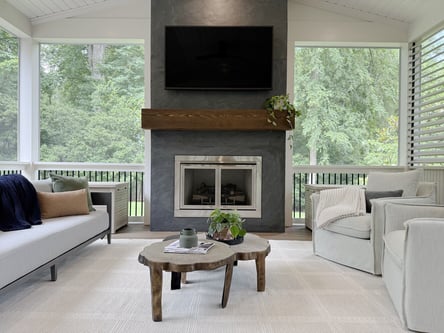
Some larger renovation projects require design and construction decisions to happen almost simultaneously. That’s where the design-build structure tends to shine. In projects like these, moving a wall or adjusting a layout can affect structural elements, utilities, and material selections all at once.
Having one team assess those ripple effects often makes the process more manageable.
Examples include:
- Whole-home renovations
- Home additions
- Kitchen remodels
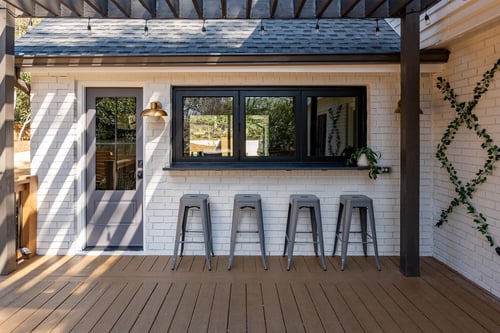
- Outdoor living spaces, such as covered decks
Why Communication Feels Different With Design-Build Companies
Communication breakdowns are one of the most common frustrations homeowners describe after renovation projects. Not because people weren’t trying to communicate, but because the information had to travel through several different professionals.
In traditional projects, the homeowner sometimes becomes the messenger between designer and contractor. The design-build method changes that dynamic. Designers, builders, and project managers collaborate within the same organization. Many issues get resolved internally before the homeowner even sees them.
For homeowners, that usually means:
- Fewer conflicting answers
- Faster problem-solving
- A clearer sense of what happens next
Is a Design-Build Approach the Right Fit for Your Renovation?
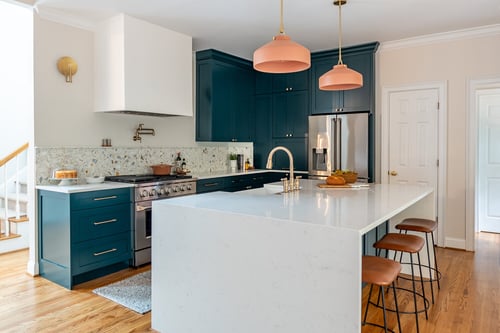
Every renovation project is different, but design-build tends to work best when homeowners want a clear and coordinated process.
You may benefit from design-build if:
- Your renovation involves structural changes
- You want direct information about costs
- You prefer one team guiding the project
- Your project combines multiple upgrades (for example, a kitchen remodel plus an addition)
For larger renovations, as we covered previously, that continuity often makes the planning stage far easier to navigate.
Common Misconceptions About the Design-Build Approach
Despite its growing popularity, a few misconceptions still circulate about design-build projects.
Some homeowners assume the approach:
- Limits creativity
- Costs more than traditional construction
- Reduces homeowner involvement
In practice, the opposite is often true. The design-build approach simply changes when conversations happen. Design ideas remain collaborative, but they adapt alongside real construction considerations rather than react to them later.
A More Organized Path to Renovating Your Atlanta Home
Planning a renovation should feel exciting, not overwhelming. But as many homeowners quickly discover, the process behind the scenes can become complicated when multiple designers, contractors, and timelines are involved.
Throughout this guide, we’ve looked at how design-build differs from traditional construction, why communication often flows more smoothly, and how this approach can help align design ideas with real construction planning. For projects like home additions, kitchen renovations, and whole-home remodels—where many decisions affect one another—having one team guiding the project can make a meaningful difference.
If you’re considering a renovation and want a process that feels organized and collaborative, reaching out to a design-build company is a great place to start. An experienced team can help you explore your ideas, gauge what’s possible for your home, and guide you through the steps needed to bring your project to life.
Ready to Renovate? Start With Exodus Design Build
For Atlanta homeowners who want a renovation process that feels organized from the beginning, working with a design-build team can make all the difference. At Exodus Design Build, we guide homeowners through the entire remodeling journey, from early layout planning and permits to construction and the final walkthrough. Because design and construction are handled within the same team, projects tend to move forward with better communication and streamlined results.
For more than a decade, our team has helped families in the Greater Atlanta area to transform their homes through our services, which include home additions, covered decks, and kitchen and bathroom renovations. If you’re considering a remodel and want a team that can guide both the design and construction process, Exodus Design Build would be happy to help you take the next step.
View our Gallery to see examples of what we can build for your family.
Contact us
Connect with our team today to get your renovation rolling.